How Is a Birth Chart Created? Understanding Its Meaning, How to Read a Kundli, and How to Identify Gandmool Nakshatra
Soon after a child is born, one of the first things elders in the family often say is, “Let’s get the baby’s Kundli prepared.” But have you ever wondered what a birth chart actually is? How is it created? Can it really reveal important aspects of your future? And how do astrologers understand your career, marriage, finances, and health simply by looking at your Kundli?
Today, several websites and mobile apps can generate a birth chart within seconds. However, creating a Kundli is only the first step. The real challenge lies in understanding and interpreting it correctly. This is why experienced astrologers carefully analyze planetary positions, zodiac signs, nakshatras, planetary periods (Dashas), and transits before making any astrological predictions.
In this article, we will explain what a birth chart is, how it is prepared, how to read it, how to identify Gandmool Nakshatra, and why consulting an experienced astrologer is still essential.

What Is a Birth Chart?
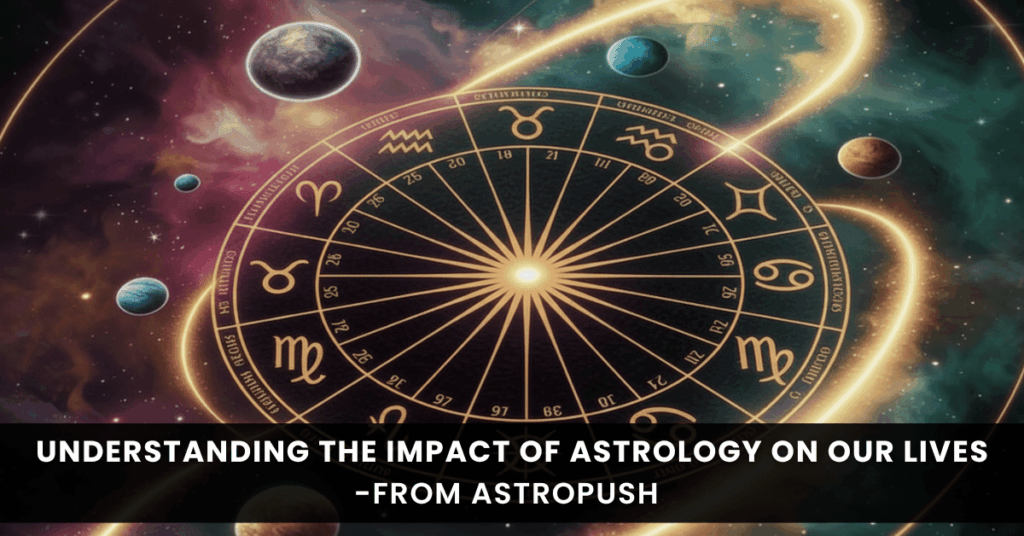
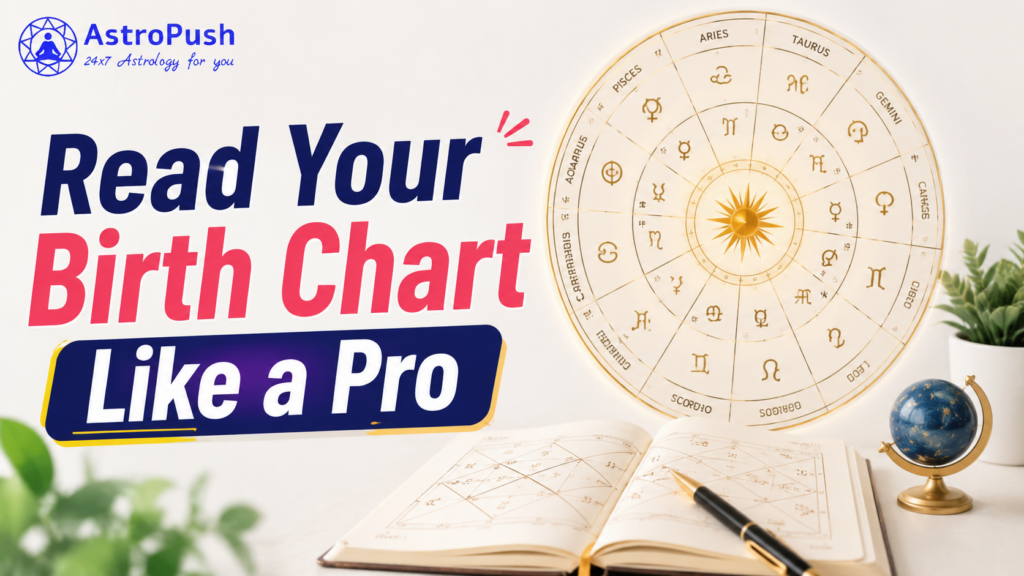
A Birth Chart, also known as a Janam Kundli or Natal Chart, is an astrological map of the sky at the exact moment a person is born. It records the positions of the nine planets, the twelve zodiac signs, the twelve astrological houses, and the twenty-seven nakshatras based on the exact date, time, and place of birth.
According to Vedic Astrology, the planetary positions at the time of birth form the foundation for understanding a person’s personality, strengths, weaknesses, career, education, marriage, financial prospects, health, and overall life journey.
It is important to understand that a birth chart is not considered a fixed prediction of the future. Instead, it serves as a guide that helps astrologers understand the potential opportunities and challenges a person may experience during different stages of life.
How Is a Birth Chart Created?
Preparing a birth chart requires three essential pieces of information:
- The exact date of birth
- The exact time of birth
- The place of birth
Using these details, astrologers calculate the positions of the Sun, Moon, Mars, Mercury, Jupiter, Venus, Saturn, Rahu, and Ketu at the time of birth. They also determine the Ascendant (Lagna), which becomes the starting point of the horoscope.
Although modern astrology software can generate a Kundli instantly, the calculations are still based on the ancient principles of Vedic Astrology that have been followed for centuries.
Why Is the Exact Birth Time So Important?
Many people believe that a difference of five or ten minutes in the birth time does not matter. However, in astrology, even a small difference can significantly affect the birth chart.
A slight change in birth time may alter the Ascendant, which can also change the placement of houses. As a result, predictions related to marriage, career, health, finances, and relationships may differ.
This is why astrologers always emphasize providing the most accurate birth time possible while preparing a Kundli.
How to Read a Birth Chart
Reading a birth chart involves much more than simply looking at your zodiac sign. Astrologers generally begin by analyzing several important components together.
The Ascendant (Lagna)
The Ascendant is considered the foundation of the birth chart. It represents the zodiac sign rising on the eastern horizon at the exact moment of birth. It plays a major role in shaping a person’s personality, physical appearance, behavior, and life direction.
The Twelve Houses
Every birth chart contains twelve houses, and each house governs a specific area of life.
The First House represents personality and self.
The Second House represents wealth and family.
The Third House represents courage, communication, and siblings.
The Fourth House represents home, property, and mother.
The Fifth House governs education, children, creativity, and love.
The Sixth House relates to health, competition, and challenges.
The Seventh House represents marriage and partnerships.
The Eighth House is associated with transformation, longevity, and hidden matters.
The Ninth House represents luck, spirituality, higher education, and fortune.
The Tenth House governs career, profession, and reputation.
The Eleventh House represents income, gains, and ambitions.
The Twelfth House relates to expenses, foreign travel, and spiritual growth.
Astrologers study all these houses together rather than focusing on only one.
- Chat with astrologer online
- Talk to astrologer online
- Free kundli generation
- Free horoscope prediction
- Kundli matching
- Numerology
- Panchang calendar
Understanding the Nine Planets
Every planet in Vedic Astrology represents different aspects of life.
The Sun symbolizes confidence, leadership, and authority.
The Moon governs emotions, mental peace, and feelings.
Mars represents courage, energy, and determination.
Mercury is associated with intelligence, communication, and business.
Jupiter signifies wisdom, knowledge, prosperity, and blessings.
Venus governs love, marriage, luxury, beauty, and relationships.
Saturn represents discipline, responsibility, hard work, and life lessons.
Rahu and Ketu are shadow planets that often indicate karmic influences and unexpected life events.
The strength, placement, and relationships among these planets help astrologers understand different aspects of a person’s life.
What Are Nakshatras?
Many people only pay attention to their zodiac sign, but in Vedic Astrology, the Nakshatra (Lunar Constellation) of the Moon is considered equally important.
Nakshatras help astrologers understand a person’s emotional nature, thinking patterns, behavior, and spiritual tendencies. They also play an important role in Dasha calculations, compatibility analysis, and identifying special yogas.
One of the most discussed topics related to Nakshatras is Gandmool Nakshatra.
How to Identify Gandmool Nakshatra
There are many misconceptions about Gandmool Nakshatra. The first thing to understand is that being born in Gandmool Nakshatra does not automatically make a person’s life inauspicious.
According to Vedic Astrology, if the Moon is placed in any one of the following six Nakshatras at the time of birth, the person is considered to be born under Gandmool Nakshatra:
- Ashwini
- Ashlesha
- Magha
- Jyeshtha
- Moola
- Revati
To check Gandmool Nakshatra in your birth chart, simply locate the Moon and identify the Nakshatra in which it is placed.
Many traditional families perform Gandmool Shanti rituals after birth. However, astrologers believe that no conclusion should be drawn based only on Gandmool Nakshatra. The complete birth chart must always be analyzed before making any predictions.
Can a Birth Chart Predict the Future?
This is one of the most frequently asked questions.
The answer is that a birth chart should never be interpreted by looking at just one planet, one yoga, or one house.
Professional astrologers examine the Ascendant, planetary strengths, zodiac signs, houses, Nakshatras, Dashas, planetary transits, and even the Navamsa (D-9) chart before making predictions.
This is why two people with the same zodiac sign often experience completely different life journeys.
Why Do You Still Need an Experienced Astrologer?
Today, numerous websites and mobile applications can generate a Kundli instantly. However, generating a birth chart and accurately interpreting it are two completely different things.
For example, if Jupiter is placed in the Tenth House, does it automatically guarantee career success? Not necessarily.
An astrologer must also evaluate Jupiter’s zodiac sign, planetary aspects, strength, dignity, current Mahadasha, transits, and Navamsa placement before making any meaningful interpretation.
This level of analysis cannot be achieved simply by reading general information available online.
That is why consulting an experienced astrologer remains important for anyone seeking detailed and personalized guidance.
Conclusion
A birth chart is much more than a tool for predicting the future. It is considered a spiritual and astrological blueprint that helps us understand our personality, strengths, challenges, career, relationships, finances, and life path.
Whether it is Gandmool Nakshatra, marriage yogas, career prospects, or financial growth, no single planet or house should ever be analyzed in isolation. A complete horoscope, including planetary positions, houses, Nakshatras, Dashas, and divisional charts, should always be studied together.
If you truly wish to understand your birth chart, avoid relying solely on your zodiac sign or random online interpretations. Consulting a qualified Vedic astrologer can provide a far more accurate understanding of your horoscope and help you make informed decisions about your future.