
How Is a Horoscope Read and How Do We Know If a Horoscope Is Strong?
What Is a Horoscope?
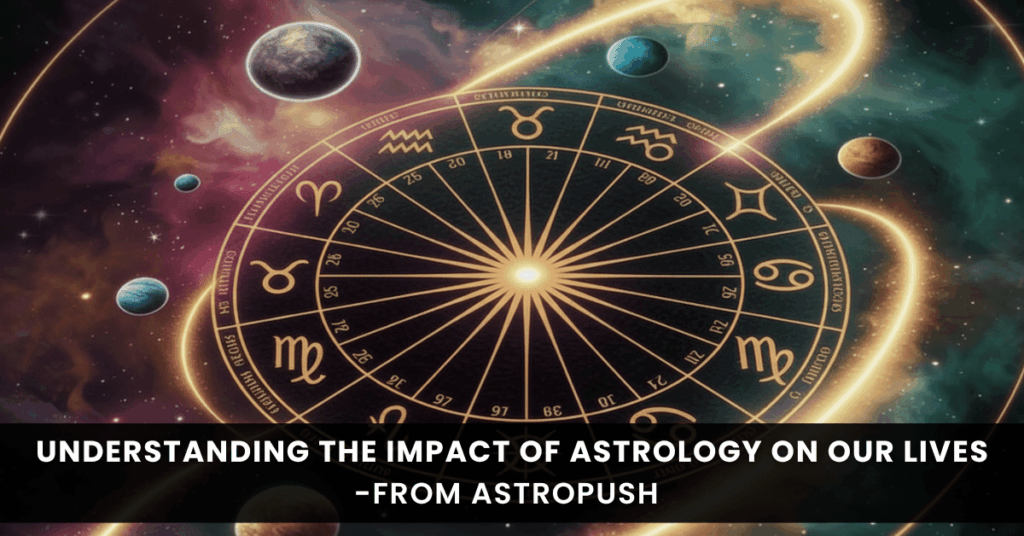
In Vedic astrology, a horoscope is considered a blueprint of a person’s life. At the exact moment when a person is born, the positions of the Sun, Moon, and other planets in the sky are recorded, and these positions form the individual’s birth chart. According to astrological belief, these planetary placements influence a person’s nature, thinking patterns, decision-making ability, and overall direction in life. When astrologers study someone’s horoscope, they do not simply look at a list of planets placed in different signs. Instead, they carefully analyze how these planets interact with each other and how their combined influence may manifest in different areas of a person’s life. In this sense, a horoscope works like a map. It does not force a particular outcome but indicates where opportunities might appear and where challenges could arise along the journey of life.
What Information Is Needed to Create a Horoscope?
To create an accurate horoscope, three essential pieces of information are required: the person’s date of birth, time of birth, and place of birth. These details help astrologers determine the precise positions of the planets at the time of birth. Based on these calculations, the birth chart is constructed. If the birth time is incorrect or even slightly inaccurate, the horoscope analysis may also become less reliable. This is why the time of birth is considered extremely important in astrology. In the modern era, astrology software and mobile applications can generate birth charts within seconds. However, the calculations and astronomical principles behind them are based on ancient knowledge that has been studied and practiced for centuries.

What Do the 12 Houses in a Horoscope Represent?
According to Vedic astrology, a horoscope is divided into 12 houses, and each house represents a different area of life. The first house is associated with personality, physical appearance, and overall identity. The second house represents wealth, speech, and family values. The third house relates to courage, communication, and personal effort. The fourth house signifies home, emotional comfort, and domestic happiness. The fifth house is connected to education, creativity, and intelligence.
The sixth house represents challenges, enemies, health issues, and daily struggles. The seventh house is related to marriage, partnerships, and relationships. The eighth house deals with mysteries, transformation, longevity, and hidden aspects of life. The ninth house represents fortune, spirituality, higher learning, and destiny. The tenth house is linked to career, status, and reputation in society. The eleventh house represents gains, ambitions, and financial growth. Finally, the twelfth house is associated with expenses, foreign connections, spirituality, and isolation. When astrologers examine a horoscope, they carefully observe which planets are placed in each house and how these planets influence the matters represented by those houses.
Why Is the Ascendant Considered the Most Important?
The Ascendant, also known as the Lagna, is considered the most important element in a horoscope. The ascendant is the zodiac sign that was rising on the eastern horizon at the exact moment of a person’s birth. It represents the individual’s personality, physical characteristics, and the overall energy with which they approach life. If the ascendant is strong and its ruling planet is well positioned in the horoscope, the person often develops a powerful personality and a strong ability to progress in life. People with a strong ascendant are generally confident, determined, and capable of facing challenges without giving up easily. For this reason, astrologers usually begin horoscope analysis by examining the ascendant and the placement of its ruling planet.
The Role of the Sun and Moon
The Sun and the Moon are considered two of the most important planets in a horoscope. The Sun represents inner strength, authority, leadership qualities, and a person’s sense of identity. A strong Sun in the birth chart often indicates confidence, ambition, and the ability to take leadership roles in life. The Moon, on the other hand, represents the mind, emotions, and psychological stability. A strong Moon generally indicates emotional balance and mental clarity. Such individuals tend to remain calm and composed even in difficult situations. When both the Sun and the Moon are well placed in a horoscope, it often creates a balanced personality that combines emotional stability with leadership ability.
The Importance of Jupiter
In Vedic astrology, Jupiter is regarded as the planet of wisdom, fortune, knowledge, and prosperity. When Jupiter is placed in a favorable position in a horoscope such as in its own sign or exalted sign it is believed to bring positive opportunities and growth in life. A strong Jupiter often guides individuals toward wise decisions and ethical behavior. It is also associated with blessings in education, spirituality, and financial stability. In many cases, people with a strong Jupiter in their horoscope tend to receive support, guidance, or unexpected opportunities at critical moments in life.
The True Influence of Saturn
Many people feel fear when they hear the name of Saturn, but in astrology Saturn is not simply considered a negative or troublesome planet. In reality, Saturn represents discipline, responsibility, patience, and hard work. When Saturn is strong and balanced in a horoscope, it can make a person extremely hardworking, serious, and committed to their responsibilities. Success may not come quickly to such individuals, but the achievements they gain are often long-lasting and stable. In this sense, Saturn teaches perseverance and rewards consistent effort over time.

How Planetary Yogas Strengthen a Horoscope
Planetary yogas play a significant role in determining the strength of a horoscope. In astrology, a yoga refers to a special planetary combination that produces particular results. One of the most famous examples is Raj Yoga. Raj Yoga occurs when the lords of important houses such as the house of fortune and the house of career combine or influence each other positively. This combination is believed to bring authority, recognition, leadership opportunities, and success in life. Individuals with strong Raj Yoga in their horoscope are often seen rising to influential positions in society.
The Impact of Panch Mahapurush Yoga
Another powerful concept in Vedic astrology is the Panch Mahapurush Yoga. These yogas occur when one of the five major planets Mars, Mercury, Jupiter, Venus, or Saturn is placed in its own sign or exalted sign in a central house (Kendra) of the horoscope. Such combinations are believed to produce individuals with extraordinary abilities, influence, and leadership qualities. Many astrologers claim that historically successful leaders, scholars, and influential personalities often had one or more of these powerful yogas in their birth charts. These yogas can elevate a person beyond ordinary limitations and help them stand out in society.
Signs of a Weak Horoscope
In some cases, certain planets in a horoscope may be weak or poorly placed. For example, a weak Sun may indicate a lack of confidence or leadership ability. A weak Moon might suggest emotional instability or difficulty managing stress. Similarly, if the house of fortune is weak, opportunities in life may appear slowly or after significant struggle.
However, having a weak planetary placement does not mean that a person cannot succeed in life. Astrology highlights tendencies and possibilities, but it does not determine a person’s destiny entirely. Personal effort, discipline, and determination can often overcome many astrological limitations.
Conclusion
Overall, a horoscope can be seen as a symbolic guide that helps us understand the potential strengths and challenges in a person’s life. It provides insight into personality traits, life patterns, and possible opportunities. A strong horoscope usually includes a powerful ascendant, balanced placements of important planets such as the Sun, Moon, and Jupiter, and the presence of beneficial planetary yogas.
At the same time, it is essential to remember that astrology reflects possibilities rather than fixed outcomes. Planetary positions may influence circumstances, but they do not replace human effort. Ultimately, a person’s actions, determination, patience, and dedication play the most important role in shaping their life journey. Astrology can guide and inspire, but the real power to create success always lies within the individual.